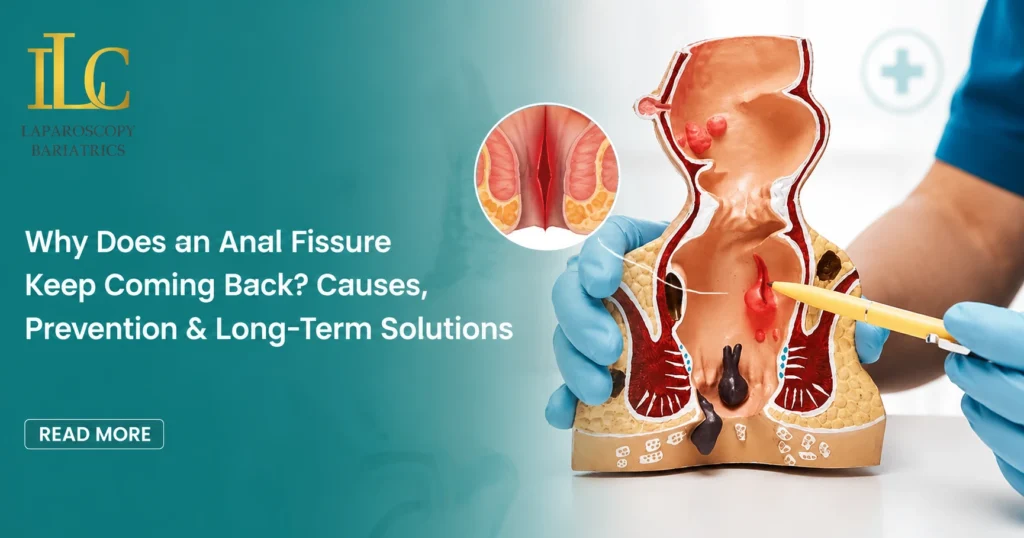
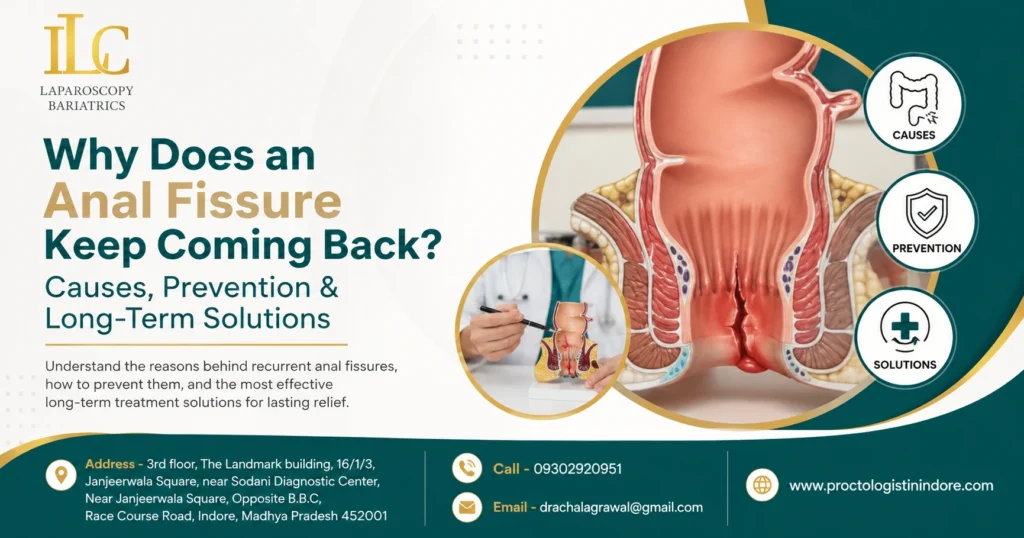
An anal fissure is a small cut or crack in the lining of the anal canal that can lead to pain, discomfort, and bleeding during bowel movements. Most fissures will heal if treated, but some will reappear over and over. A Recurrent Anal Fissure is a fissure that may heal for a while but then recurs because of an uncorrected cause.
Why Some Fissures Don’t Heal Properly
The affected area is sometimes repeatedly traumatised during bowel movements, which prevents fissures from healing. The healing process can be slowed by poor blood flow to the fissure area, continued bowel movement problems such as constipation, chronic diarrhoea, or muscle tension around the anal sphincter if it is not treated. If not properly medically assessed, the fissure can become chronic and recur.
Chronic Constipation and Fissures
Chronic Constipation is considered one of the major causes of recurrent fissures. Hard stools place a lot of pressure during bowel movements and lead to repeated tearing of the lining of the anus. Patients who pass stool frequently are much more likely to develop Chronic Fissures which do not heal completely.
Dietary Mistakes That Delay Healing
Diet is an important aspect of healing fissures. If too little fibre, water or too much processed food is consumed, it can cause constipation and firm stools. These eating patterns make pooping harder and more painful, and also make it harder to heal, so you are more likely to have a recurrence.
Lifestyle Habits That Trigger Recurrence
There are a number of lifestyle factors that may lead to recurrent fissures, such as sitting too much, lack of exercise, constipation, and not going to the toilet when you need to go. Stress and eating habits can also have a negative impact on digestion and lead to fissures caused by constipation.
Signs Your Fissure Has Become Chronic
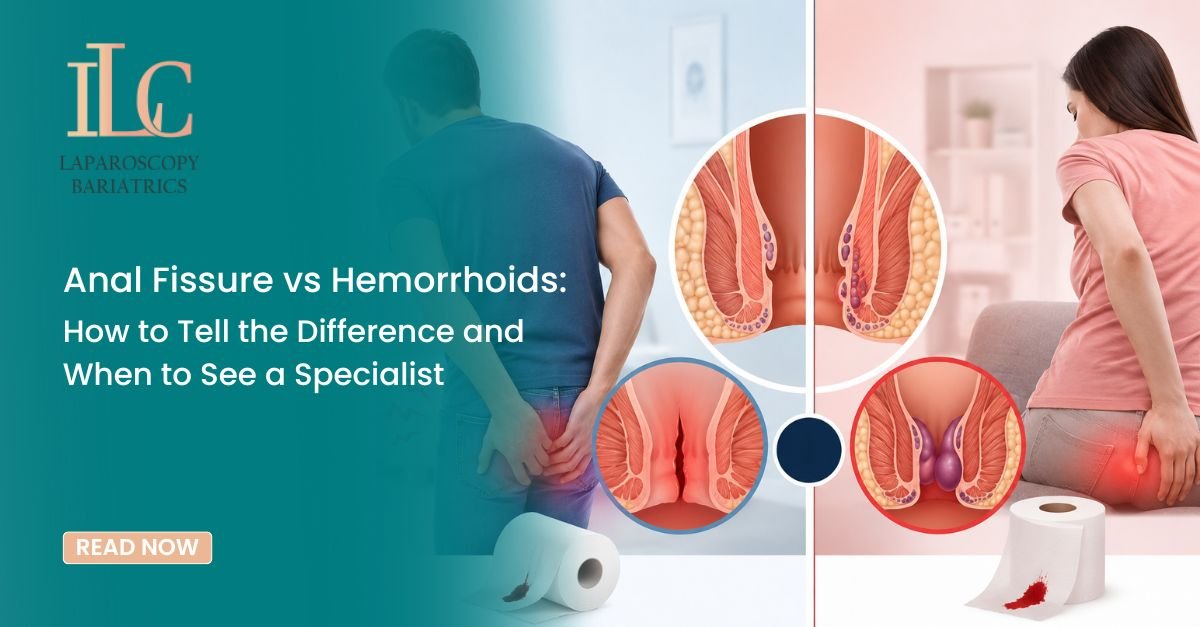
If the fissure is still present after a couple of weeks or if the symptoms recur, then this may be a chronic fissure. Symptoms may include extreme pain with bowel movements, recurrent bleeding, itching, discomfort or a small skin tag that hangs just above the fissure. Most fissures will need special treatment when they are chronic.
Non-Surgical Treatment Options
Conservative treatment is effective in the early stage of the disease. Some of the more common treatments are to increase dietary fiber, hydrate, use prescription medicines, have warm sitz baths, and practice good bowel habits. Early diagnosis will help prevent chronic conditions.
When is Laser Surgery an Option?
With medical treatment, if symptoms persist or if the fissure becomes chronic, Laser Surgery for Fissure in Indore may be recommended. Laser treatment is a minimally invasive technique that allows for more precision in targeting the affected area and also less damage to surrounding tissues.
Benefits of Laser Surgery for Fissure
There are several benefits of laser treatment –
- Minimal pain
- Reduced blood loss
- Rapid recovery
- Decreased risk of infection and hospital stays
This is because more patients are able to return to their normal activities sooner than they would be if they were subjected to traditional surgical methods.
Finding the Best Fissure Doctor in Indore
With long-term relief, you can depend on the skills of an experienced specialist. For the best Anal Fissure Treatment in Indore, patients are advised to seek the assistance of the Best Fissure Doctor in Indore, who is skilled in Advanced Colorectal Care. The Best Laser Fissure Surgery Doctors in Indore are experts in making an accurate diagnosis and suggesting the best treatment plan to you for a permanent solution.
FAQs
Is there a chance for an anal fissure to recur?
Yes, if you don’t treat the underlying causes, like constipation, there is a possibility of it happening again.
Does laser surgery hurt?
The laser surgery is much less invasive and is not as painful as conventional surgery.
When to see a doctor about a fissure?
Medical evaluation is indicated if symptoms continue, if symptoms recur often or do not improve with home care.