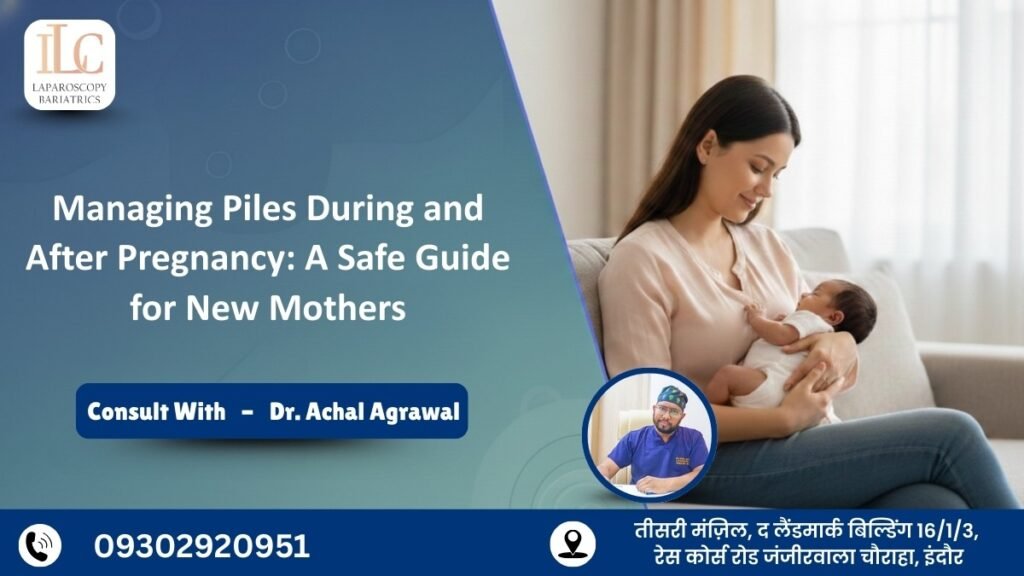
Piles, also referred to as hemorrhoids, are very prevalent during pregnancy and immediately after childbirth. Research indicates that piles occur in close to 50 percent of pregnant women at some point. Many women are afraid of treatment despite the discomfort, and despite the fear, they are reluctant to be treated during pregnancy. Is treatment safe during pregnancy? Will it have any consequences on breastfeeding or the child? This guide dispels common misconceptions and presents safe, effective choices for both upcoming and new mothers.
Why Piles Happen During Pregnancy
The growing uterus exerts additional pressure on the rectal veins and pelvic veins because of pregnancy. The pressure raises blood flow, and the veins swell up, resulting in piles. Another factor is hormonal changes: increased progesterone relaxes blood vessel muscles and slows the rate at which food is digested, leading to constipation. Pressure + hormones + constipation, in simple words, provide the ideal environment for piles during pregnancy and the first post-partum period.
Safe Home Care During Pregnancy
Piles may be safely treated by means of conservative treatment in most mild cases. The home remedies that are said to be safe during pregnancy include:
- Warm sitz baths to relieve pain, swelling, and itching
- High-fiber diet with fruits, vegetables, and whole grains to prevent constipation
- Adequate water intake to keep stools soft
- Avoiding prolonged sitting or straining during bowel movements
These will be helpful in alleviating symptoms to a great extent and in avoiding exacerbation, particularly in the initial stages.
When to See a Doctor
Home care should not be considered sufficient to improve the piles, and in cases where symptoms become worse, a medical examination should be considered. Warning signs include:
- Persistent pain or bleeding
- Those prolapsed piles that fail to retreat.
- Intense pain in day-to-day life or child care.
These symptoms can suggest that some advanced treatment, like laser therapy, is necessary. Putting off treatment may add to the suffering and extend the recovery.
Laser Treatment: Safe and Gentle for New Mothers
The current laser piles therapy is very non-invasive, accurate, and not very dangerous, including breastfeeding mothers. It is a painless procedure, generates less blood loss, and does not involve huge incisions and sewn-ups. The recovery is fast, and the hospitalization is brief, and in the majority of cases, the women are capable of going back to normal lives within a day or two. Notably, laser therapy has no interference with breastfeeding and also has no effects on the infant.
Take the Right Next Step
Provided that piles may render pregnancy or maternity awkward, professional attention may provide a lasting solution. Indore Laparoscopy Center provides new mothers and pregnant women with specialized consultations in terms of effective treatment of the piles in a safe and gentle way. Prior instructions guarantee ease, trust, and a healthier recovery process.